
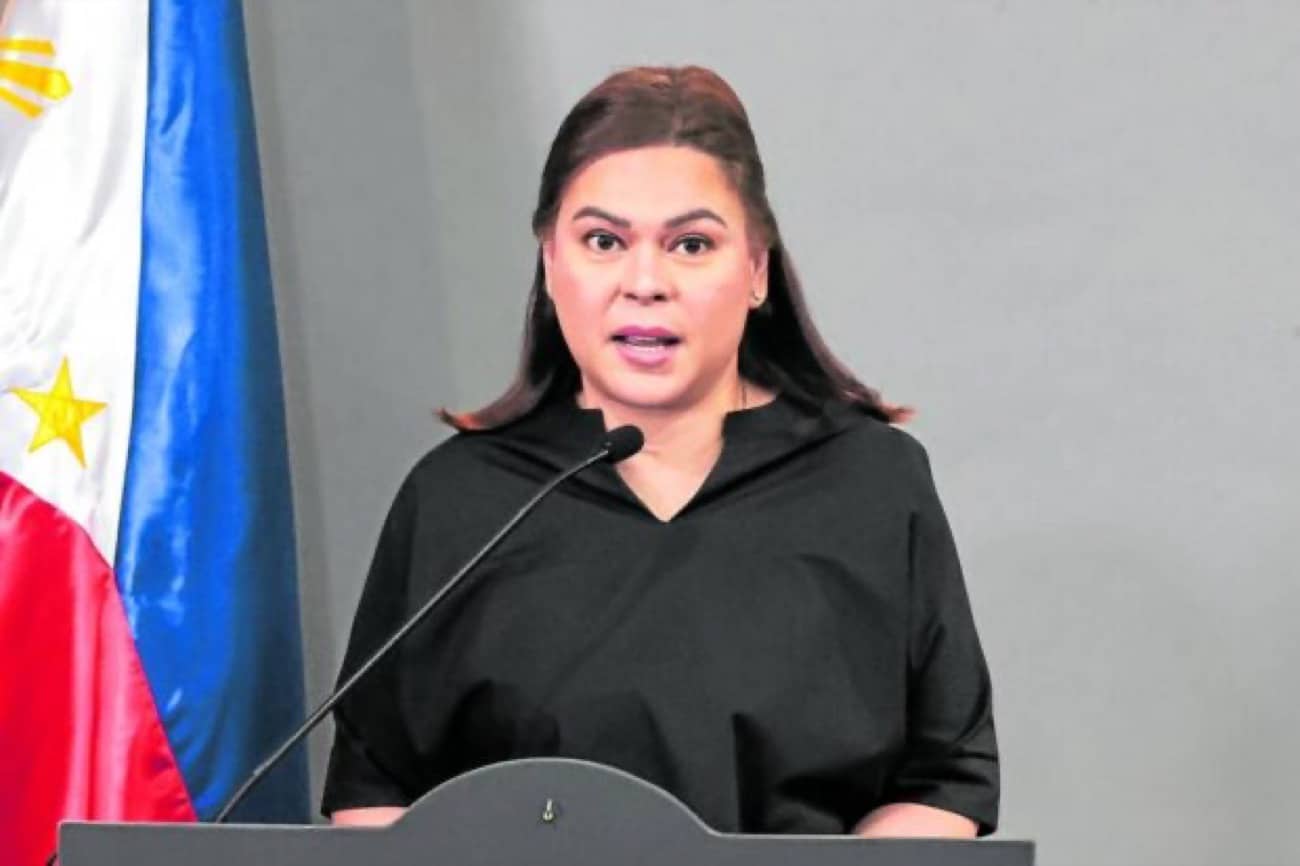
One year after the May 12, 2025 local elections, Philippine politics was again at the center of a major national moment. This time, the spotlight shifted from campaign promises and local races to the impeachment of Vice President Sara Duterte, a development that quickly dominated political conversations across the country. On May 11, 2026, Congress approved the articles of impeachment against Duterte over allegations of corruption and betrayal of public trust. The vote carried huge political weight. Lawmakers from different parties, districts, and political families had to make their position public, and the result immediately drew strong reactions.
The numbers alone made the vote historic. A total of 257 members of Congress voted in favor of impeaching the vice president. But this time, the talk was not about campaign promises and local races, but about the impeachment of Vice President Sara Duterte, a topic that soon dominated political chatter across the country.
Congress approved the articles of impeachment against Duterte on May 11, 2026, over allegations of corruption and betrayal of public trust. The vote carried great political weight. Legislators from different parties, districts and political families had to declare their stand, and the result immediately sparked strong reactions.
Just in terms of numbers, the vote was historic. A total of 257 members of Congress voted to impeach the vice president. Twenty-five voted “No,” signaling their opposition to the move. Nine abstained, while twenty-six did not participate in the voting at all.
But public interest went beyond the numbers. Filipinos also followed the people behind the vote, particularly the lawmakers whose names already had high recall value because of show business, sports, media, or famous family connections. Celebrity-politicians have always attracted interest in the Philippines, but their decisions in a national controversy such as impeachment are subject to even more intense scrutiny. Filipinos also looked to the people behind the vote, particularly the lawmakers whose names already had high recall because of show business, sports, media or famous family ties. Celebrity-politicians have long attracted attention in the Philippines but their decisions in a national controversy such as impeachment come under even greater scrutiny.
Many of these lawmakers are first known to the voters as actors, television hosts, athletes, beauty queens or relatives of entertainment icons. But when they vote on a constitutional issue, the public no longer sees them just as celebrities. Instead, they are judged as elected officials whose decisions have political and legal consequences. This is exactly why the Sara Duterte impeachment vote became such a hotly debated issue. Beyond the legal process itself, it also became a public test of how celebrity lawmakers and showbiz-linked politicians would react when asked to take a stand on one of the biggest political issues of the year. When the public votes on a constitutional matter they no longer see them as celebrities. Instead, they are evaluated as elected officials who make decisions with political and legal ramifications.
This is exactly why the Sara Duterte impeachment vote was such a hot topic. It was also a public test, beyond the legal process itself, of how celebrity lawmakers and showbiz-linked politicians would react when asked to take a stand on one of the biggest political issues of the year.
A Defining Vote in Congress
The charges of corruption and betrayal of public trust in the impeachment complaint against Vice President Sara Duterte are both serious grounds in any impeachment case against a high-ranking official. Impeachment is a constitutional mechanism of accountability in the Philippine system. It does not automatically remove an official from office, but lets the case go to trial in the Senate after the House adopts the articles of impeachment.
That’s a distinction that counts. A “Yes” vote does not mean, necessarily, that lawmakers have found the vice president guilty. It means they feel that the case has merit to go forward and the charges have merit for formal trial and investigation,” he said. A “No” vote, on the other hand, means a lawmaker rejected that step, whether because of political loyalty, legal doubts, or disagreement with the process.
The final count showed massive support for the impeachment move. With 257 lawmakers voting for it, the House sent a strong signal that a large majority wanted the complaint to proceed. But the 25 “No” votes, 9 abstentions and 26 non-participants showed the decision did not unite Congress completely.
To ordinary Filipinos, those numbers were not just statistics. They showed where each lawmaker stood during a politically explosive moment. Supporters of impeachment saw the “Yes” votes as a sign of accountability. Opponents saw the “No” votes as a defense against what they might consider an unfair or politically motivated attack. Abstentions and absences, meanwhile, raised separate questions of caution, strategy or avoidance. The House sent a strong signal that a large majority wanted the complaint to move forward with 257 lawmakers voting in favor. Still, the 25 votes against, 9 abstentions and 26 non-participants demonstrated that the decision was not supported by Congress as a whole.
To the average Filipino, these numbers were more than just numbers. They showed where every lawmaker stood on a politically explosive moment. In the eyes of impeachment supporters, “yes” votes were accountability. For opponents, the “No” votes were a means to protect themselves, from what they may see as an unfair or politically motivated attack. Meanwhile, abstentions and absences raised separate questions of caution, strategy or avoidance.
Why Celebrity Lawmakers Drew Special Attention
The celebrity lawmakers attracted unusual attention because the Philippines has long blurred the line between showbiz and politics. For decades, actors, comedians, sports stars and television personalities have won public office. Their popularity often gives them a leg up in elections but fame also guarantees that their political decisions draw more public attention than those of ordinary legislators.
That reality explains why the votes of Richard Gomez, Arjo Atayde, Lani Mercado, Jolo Revilla, Bryan Revilla and many others quickly became headline material. These are not obscure public servants. They are familiar names with built-in audiences, long public histories and strong emotional connections with voters and fans. For decades actors, comedians, sports stars and television personalities have been winning public office. Their celebrity sometimes gives them a head start in elections, but celebrity also means that their political decisions are more likely to be scrutinized by the public than those of ordinary lawmakers.
That reality also helps explain why the votes of Richard Gomez, Arjo Atayde, Lani Mercado, Jolo Revilla, Bryan Revilla and many others quickly became headline fodder. They are not some obscure civil servant. These are known quantities with built-in audiences, long public histories and strong emotional connections with voters and fans.
People tend to watch celebrity-politicians differently. A traditional lawmaker may receive attention during a major vote, but a celebrity lawmaker faces another layer of scrutiny. Voters want to know whether the person they admired on screen, in sports, or in the media can handle serious public responsibility. Impeachment votes expose that distinction in the clearest way possible.
In moments like this, star power matters less than judgment. A famous surname, movie career, or sports background may win attention, but a congressional vote reveals something deeper. It shows political courage, loyalty, strategy, or conviction. That is why the impeachment case against Sara Duterte put celebrity lawmakers under such a bright spotlight.
The Showbiz Personalities Who Voted “Yes”
Several showbiz personalities in the 20th Congress voted “Yes” to the impeachment of Vice President Sara Duterte. Their votes showed support for moving the complaint forward and allowing the next stage of the constitutional process to begin.
Richard Gomez, representative of Leyte’s Fourth District, stood among the most recognizable names on the list. Gomez built his public image through acting, sports, and television long before he entered politics. Over the years, he transformed that fame into a political career and served in local government before returning to Congress. His “Yes” vote aligned him with the majority that supported the impeachment move.
Arjo Atayde, representative of Quezon City’s First District, also voted “Yes.” Known first as an actor, Atayde represents a younger generation of celebrity-politicians who crossed into public office from entertainment. His vote attracted attention not only because of his acting background, but also because many people see him as part of a newer wave of public figures trying to prove themselves in governance.
Lani Mercado, representative of Cavite’s Second District, also backed the impeachment. Mercado has spent years in both show business and politics, making her one of the more established celebrity-politicians in public life. Her vote drew even more attention because members of her family in Congress took the same position.
Jolo Revilla, representative of Cavite’s First District, voted “Yes” as well. Like his mother, he comes from a family deeply tied to both entertainment and politics. Bryan Revilla, representing Agimat Party-list, also joined the “Yes” side. Together, Mercado, Jolo Revilla, and Bryan Revilla formed a visible family bloc in favor of the impeachment.
That family alignment mattered. In Philippine politics, powerful families often shape public perception just as much as individual lawmakers do. When multiple relatives in public office take the same stand on a major issue, people read it not only as a personal choice but also as a broader political position.
Other Public Figures and Showbiz-Linked “Yes” Votes
The “Yes” camp also included lawmakers connected to sports, pageantry, media, and influential entertainment families.
Former PBA player Franz Pumaren, representative of Quezon City’s Third District, voted in favor of the impeachment. Filipinos know Pumaren largely through basketball, particularly as a player and coach. His transition from sports to politics mirrors the path many public figures take in the Philippines, where fame often opens the door to elected office. His vote showed that he supported advancing the complaint.
Ryan Recto, representative of Batangas’ Sixth District, also voted “Yes.” Recto is the son of Vilma Santos-Recto, one of the most respected names in Philippine entertainment and politics. Because of that background, his vote naturally drew attention from both political observers and fans of his family. His decision also fed broader discussions about how political families with entertainment roots position themselves during major controversies.
Tingog Party-list Representative Yedda Marie Mendoza-Romualdez, who won Bb. Pilipinas-International in 1996, also supported the impeachment. Her pageant background made her a recognizable figure even before politics. At the same time, her marriage to former House Speaker Martin Romualdez placed her within one of the country’s most powerful political circles. Her vote therefore carried both symbolic and political weight.
Pasig City Representative Roman Romulo also voted “Yes.” While Romulo is more widely known as a political figure, his marriage to former television personality Shalani Soledad connected him to the world of show business and media. That connection helped place him on the public’s radar as one of the showbiz-linked lawmakers involved in the vote.
Brian Poe, representative of FPJ Panday Bayanihan Party-list, likewise voted “Yes.” Poe carries one of the most iconic surnames in Philippine public life. He is the son of former Senator Grace Poe and the grandson of the late movie legends Fernando Poe Jr. and Susan Roces. His vote attracted special interest because his family name represents a powerful blend of politics and entertainment.
Julio Ledesma IV, representative of Negros Occidental’s First District, also joined the “Yes” side. Many people know him partly because he is married to actress Assunta de Rossi. Jefferson “Jay” Khonghun, representative of Zambales’ First District, also voted “Yes” and remained known to some because of his past relationship with actress Aiko Melendez.
Quezon City Fifth District Representative PM Vargas also supported the impeachment. Vargas is the brother of actor and former lawmaker Alfred Vargas, which gave his vote additional showbiz relevance. Pangasinan Third District Representative Rachel Arenas, a former MTRCB chair, also voted “Yes,” adding another media-linked name to the list.
Taken together, these votes showed that a broad group of celebrity and showbiz-linked lawmakers sided with the majority. Some came from entertainment directly, while others entered the list because of family ties, marriage, or past public connections. Regardless of the path, they all became part of the public conversation.
The Lawmakers Who Voted “No”
Not every celebrity-linked lawmaker backed the impeachment. Several voted “No,” placing themselves in opposition to the complaint.
Rachel “Cutie” del Mar, Cebu First District Representative, voted against the impeachment. Del Mar built public recognition through television and media work before serving as a lawmaker and MTRCB board member. Her vote made her one of the more visible names in the opposition camp among celebrity-linked figures.
Cavite Fourth District Representative Kiko Barzaga also voted “No.” Though more widely identified with politics than entertainment, Barzaga still became part of the public discussion because of his visibility and because every “No” vote stood out against the overwhelming majority.
Batangas First District Representative Leandro Leviste also rejected the impeachment move. Leviste is the son of former news anchor and Senator Loren Legarda, one of the most prominent media figures to enter politics. That connection placed him firmly within the group of lawmakers whose media-linked background made their vote especially notable.
These “No” votes reminded the public that celebrity or media ties did not produce a single political bloc. Showbiz-linked lawmakers did not move as one group. Some favored the impeachment, while others resisted it. Their split reflected the broader divisions inside Congress and across the political landscape.
The Duterte Family’s Position
As many observers expected, members of the Duterte family in Congress voted “No.”
Paolo Duterte, representative of Davao’s First District and brother of Vice President Sara Duterte, voted against the impeachment. His position surprised no one. Family loyalty and political alliance made his choice easy to predict.
Omar Duterte, representative of Davao’s Second District and nephew of the vice president, also voted “No.” Harold James Duterte, representative of the Puwersa ng Pilipinong Pandagat Party-list and identified as Sara Duterte’s cousin, joined them on the same side.
Those votes mattered symbolically even if they did not change the outcome. Family members often stand with each other during impeachment battles and other major controversies. Their votes highlighted the personal dimension of the case and reinforced the idea that political conflict in the Philippines often overlaps with family loyalty.
The Duterte bloc’s opposition also gave supporters of the vice president visible names to rally around. Even in a losing effort inside the House, these votes helped show that she still had loyal defenders in Congress.
Abstentions and Non-Participation Also Sent a Message
Beyond the “Yes” and “No” votes, the abstentions and absences also became part of the political story.
Nine lawmakers abstained, meaning they chose not to support either side. An abstention can signal caution, uncertainty, strategic neutrality, or even discomfort with the available choices. In a politically charged vote, that middle ground rarely stays neutral in the eyes of the public. People often treat abstention as a statement in itself.
Twenty-six lawmakers did not participate at all. Among the most notable names mentioned were Pampanga Second District Representative and former President Gloria Macapagal-Arroyo, as well as Ilocos Sur First District Representative Ronald Singson.
Arroyo’s absence drew special attention because of her stature in Philippine politics. Few lawmakers carry her level of experience or influence. When a former president does not participate in a major impeachment vote, observers naturally ask why. Ronald Singson’s absence also drew notice, partly because of his public profile and his past connection to actress Lovi Poe.
In a vote this important, absence does not erase a lawmaker from the story. It often puts that person into a different part of it. Critics may call it avoidance. Supporters may frame it as strategy or restraint. Either way, the public notices.
What the 257 “Yes” Votes Really Meant
The 257 “Yes” votes formed the most powerful message of the day. That number showed that the impeachment complaint had broad support in the House and that many lawmakers wanted the vice president to face the next constitutional stage of the process.
That level of support suggested more than routine disagreement. It showed that a substantial majority viewed the allegations as serious enough to warrant trial. Even without declaring guilt, the House signaled that the matter could not simply be ignored or dismissed quietly.
For the public, the number also carried political meaning. A vote that lopsided can reshape alliances, sharpen rivalries, and influence the future of key political figures. It can affect how parties position themselves, how families defend their interests, and how the electorate reads the balance of power.
Supporters of the impeachment likely saw the result as a strong stand for accountability. Critics of the process likely saw it as proof of political consolidation against the vice president. Both sides could find meaning in the same number, but no one could deny its scale.
What the “No” Votes Represented
The 25 “No” votes carried a different kind of significance. Although small compared with the “Yes” tally, they represented a clear minority position inside Congress.
Some lawmakers may have voted “No” because they doubted the legal basis of the complaint. Others may have opposed the timing, the political motives behind the move, or the broader consequences of pushing the case forward. Still others may simply have chosen loyalty over distance, especially those with personal or political ties to the vice president.
These votes mattered because they showed that Sara Duterte did not stand alone. Even in defeat, she retained defenders willing to oppose the majority openly. In politics, that matters. Minority positions often serve as the starting point for future alliances, narratives, and political strategy.
The “No” votes also sharpened the division between accountability and loyalty. To critics, they may have looked like a refusal to confront serious allegations. To supporters, they may have looked like a principled stand against an unfair attack. That tension will likely continue to shape public debate as the case moves forward.
Final Thoughts
The impeachment vote against Vice President Sara Duterte became one of the most closely watched political events in the country because it combined constitutional drama, powerful names, and public accountability in one historic moment.
The final tally showed 257 “Yes” votes, 25 “No” votes, 9 abstentions, and 26 non-participants. Among celebrity and showbiz-linked lawmakers, many supported the impeachment, including Richard Gomez, Arjo Atayde, Lani Mercado, Jolo Revilla, Bryan Revilla, Franz Pumaren, Ryan Recto, Yedda Marie Mendoza-Romualdez, Roman Romulo, Brian Poe, Julio Ledesma IV, Jefferson “Jay” Khonghun, PM Vargas, and Rachel Arenas. Others voted “No,” including Rachel “Cutie” del Mar, Kiko Barzaga, and Leandro Leviste. Members of the Duterte family in Congress also rejected the move. Gloria Macapagal-Arroyo and Ronald Singson did not participate.
In the end, the vote revealed more than a political divide. It showed how deeply entertainment, family influence, and public service remain intertwined in the Philippines. Celebrity lawmakers may rise through fame, but moments like this define them through action. When faced with a serious national issue, they had to choose a side, and the public now has a clear record of where they stood.
Keep up with everyday updates and trending information online, including 3D lotto results, alongside entertainment news and life stories that often circulate in the same digital spaces.