
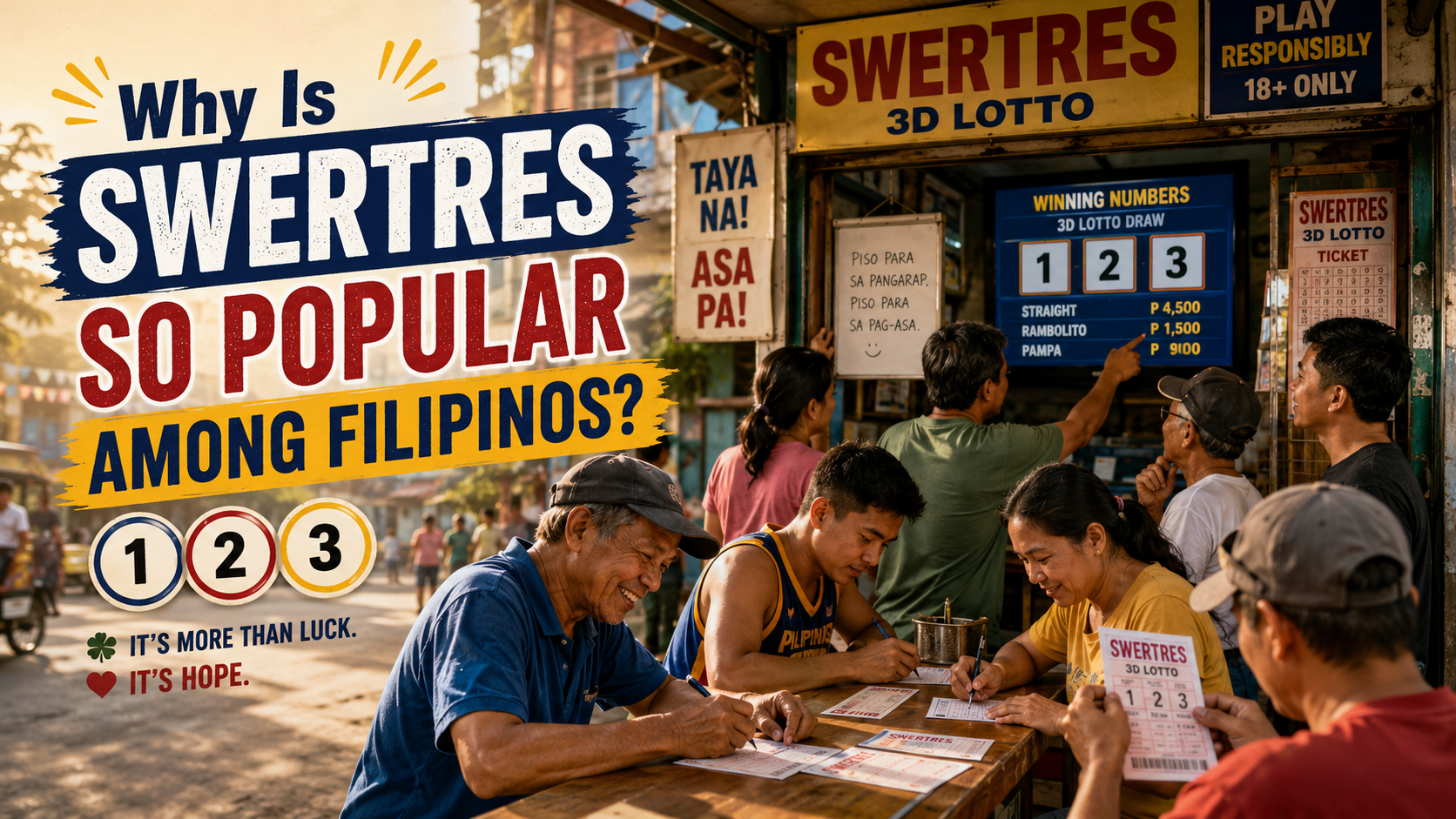
A look into the beliefs, behaviors, and emotions that keep millions of Filipinos playing every day.
Every single day, across sari-sari stores, wet markets, office break rooms, and street corners all over the Philippines, millions of Filipinos fill out their betting slips, whisper their chosen numbers, and watch the PCSO draw with quiet intensity. Swertres — the Philippine Charity Sweepstakes Office’s 3-digit lottery game — is not just a game. For many Filipinos, it is a ritual, a relationship, and a reflection of deeply held beliefs about luck, fate, and the possibility of a better life.
But why? What keeps people coming back, day after day, draw after draw? The answer lies not in the numbers — but in the human mind.
1. The Ten-Peso Dream: Buying Hope for Cheap
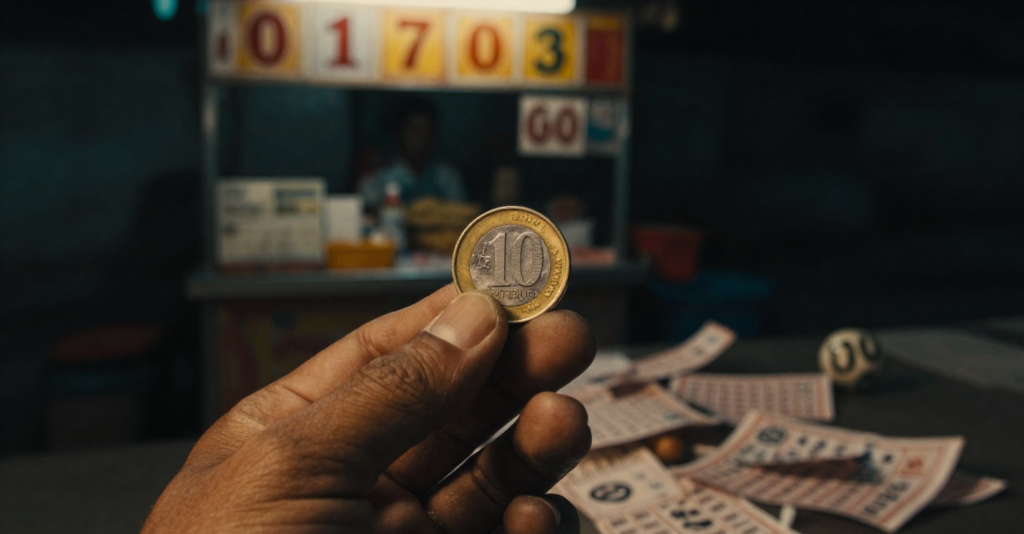
The most powerful force driving Swertres is not greed. It is hope.
Researchers argue that lotteries enjoy their popularity precisely because of positive anticipatory emotions — that is, players pay a price for the dream of possibly becoming rich, cherishing the hope of winning in the time between buying a ticket and the draw (Langer & Mayraz, 2013). A straight Swertres bet costs as little as ten pesos. For that price, a player buys the possibility — however slim — of winning thousands. The ticket is not expensive. What it represents is.
This is reinforced by findings from experimental economics: lottery participation itself has utility value, and part of what a ticket provides is consumed before the draw — in the form of hope, anticipation, and daydreaming (Brouwer et al., 2020). For a minimum-wage worker grinding through a long shift, ten pesos is a rational investment in a dream. It costs less than a cup of coffee, and it offers something coffee cannot: the chance, however brief, to imagine a different life.
As behavioral economists observe, the decision to play the lottery is not just about odds and numbers — it is about how the mind frames value, risk, and the powerful allure of a life-changing gain (Oboe.com, 2025). Players do not evaluate each purchase as an isolated financial decision; they bundle it into a broader experience of hope and excitement, where small repeated costs feel insignificant compared to the massive — if improbable — reward.
2. Dream Numbers: When the Dead Speak
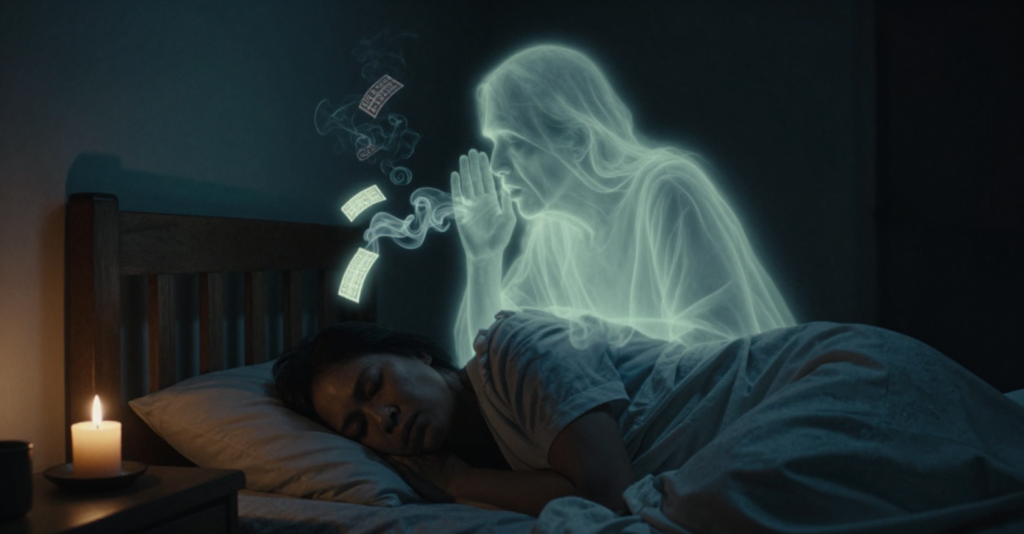
Ask almost any Swertres regular about their numbers, and there is a good chance the story involves a dream.
“My lola appeared to me last night and whispered the number.”
“I dreamed of a house fire — so I looked up the meaning and bet on 5-2-1.”
“My late father showed me his old house number in my dream.”
This is one of the most distinctly Filipino dimensions of lotto culture. The belief that deceased relatives pass winning numbers through dreams is not mere superstition — it is an expression of the Filipino value of patuloy na koneksyon, the idea that family bonds do not end at death.
In a culture where pagmamahal sa pamilya (love of family) is one of the highest values, believing that a departed parent or grandparent still watches over you — and may even gift you with luck — is both comforting and culturally coherent. Swertres becomes, in this context, a spiritual practice as much as a game.
Research on lottery gambling in Southeast Asian contexts confirms that superstitious beliefs and the search for lucky numbers are strongly associated with gambling intensity (Pravichai & Ariyabuddhiphongs, 2015). In the Philippines, this tendency is amplified by a deeply family-centered culture: believing that a departed parent or grandparent still watches over you — and may even gift you with luck — is both comforting and culturally coherent. Swertres becomes, in this context, a spiritual practice as much as a game.
3. The System Players: Finding Patterns in Randomness
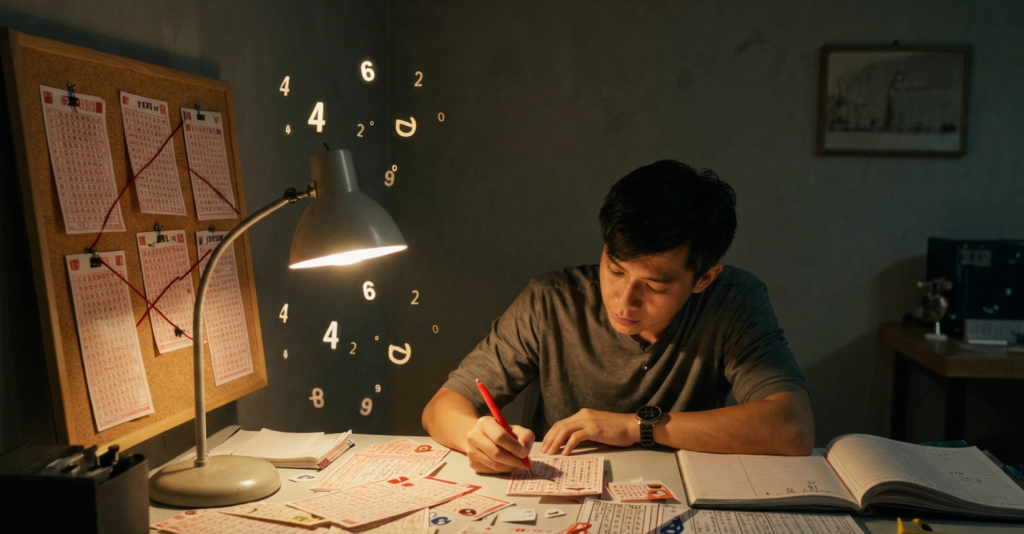
Many Swertres bettors keep notebooks. They track past winning numbers, circle “hot” combinations, note which digits have not appeared in weeks, and build elaborate personal systems for picking their bets.
This behavior has a well-documented name in psychology: the gambler’s fallacy — the mistaken belief that past random outcomes influence future ones. Rogers (1998), in a foundational review of lottery gambling cognition, identifies the gambler’s fallacy as one of the central irrational thinking patterns in lottery play, alongside a belief in hot and cold numbers and the illusion of control. Research published in Frontiers in Psychology found that the gambler’s fallacy was the most commonly observed cognitive distortion among gamblers — and crucially, it appeared not just in problem gamblers but in healthy members of the general population as well (Labrador et al., 2023).
In reality, each Swertres draw is completely independent. But the human brain is a pattern-finding machine. The comfort of having a “system” also gives players a sense of control and skill in a game that is entirely based on chance. This is not unique to Filipinos — it is universal human psychology. But in the Philippines, where so many aspects of daily life feel beyond personal control, having a number system can feel genuinely empowering.
4. Social Bonding: The Office Pool, the Neighborhood Bet
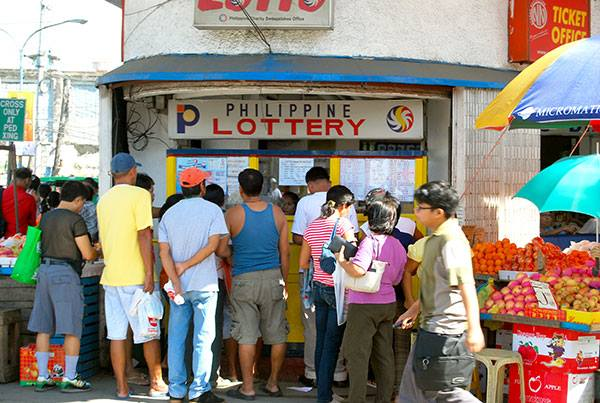
Swertres is rarely a solitary activity. It is woven into the social fabric of Filipino daily life.
In offices, there are lotto pools — groups of coworkers who collectively pick numbers and split potential winnings. In neighborhoods, the same tindahan becomes a gathering point where bettors share tips, laugh about yesterday’s near-miss, and debate which numbers are “due.” Among friends, comparing Swertres combinations is as common as comparing horoscopes.
Rogers (1998) explicitly identifies social factors as a key influence on lottery play, alongside the better-known cognitive biases. Even on days when no one wins, the shared ritual of playing creates community and belonging. The game gives people something to talk about, something to hope for together, and a reason to check in with each other twice a day.
5. Near-Misses: The Cruelest Hook
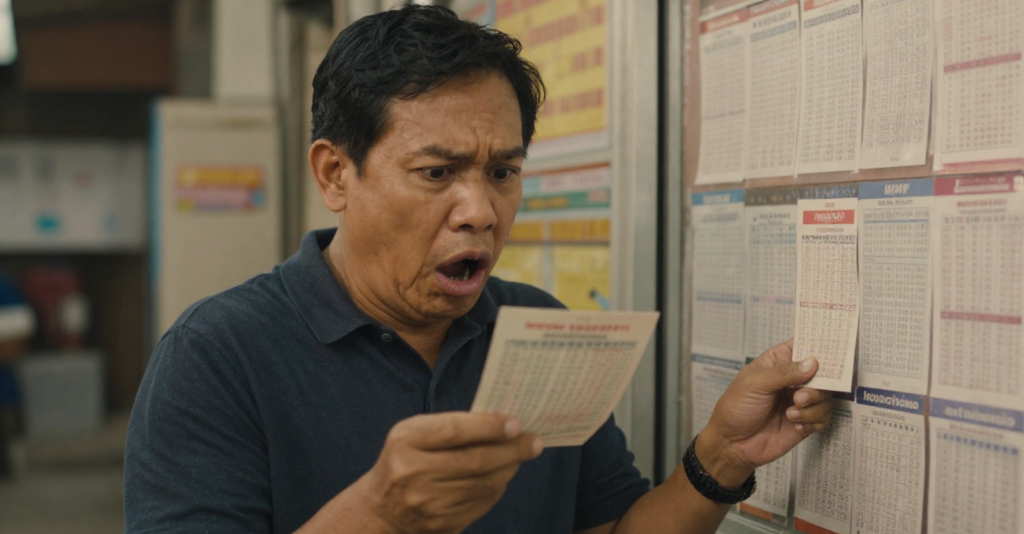
“Dalawa lang ang tama ko. Isang numero pa lang kulang!”
The near-miss is one of the most psychologically powerful experiences in gambling. When a player gets two out of three digits correct, the brain registers this not as a loss — but almost as a win. Research consistently shows that near-miss outcomes activate reward circuits in the brain, producing a feeling of anticipation similar to an actual win, which reinforces the urge to continue gambling (Immunize Nevada / rg.org, 2026).
Studies on near-miss effects in gambling further confirm that objectively equivalent outcomes can yield divergent emotional and motivational responses — with near-wins and near-losses both influencing perceived luck and subsequent betting behavior (Wohl & Enzle, 2017). Research specifically on lottery gambling in Thailand — a cultural context with notable parallels to the Philippines — confirmed the gambler’s fallacy and near-miss effect as primary drivers of continued lottery motivation (Ariyabuddhiphongs & Chanchalermporn, 2007).
For Swertres players, the three-digit format is uniquely prone to near-misses. Matching two numbers happens regularly, giving players constant reinforcement that they are “close” — and keeping engagement high even during long losing streaks.
6. Small Stakes, Frequent Play: The Illusion of Low Risk
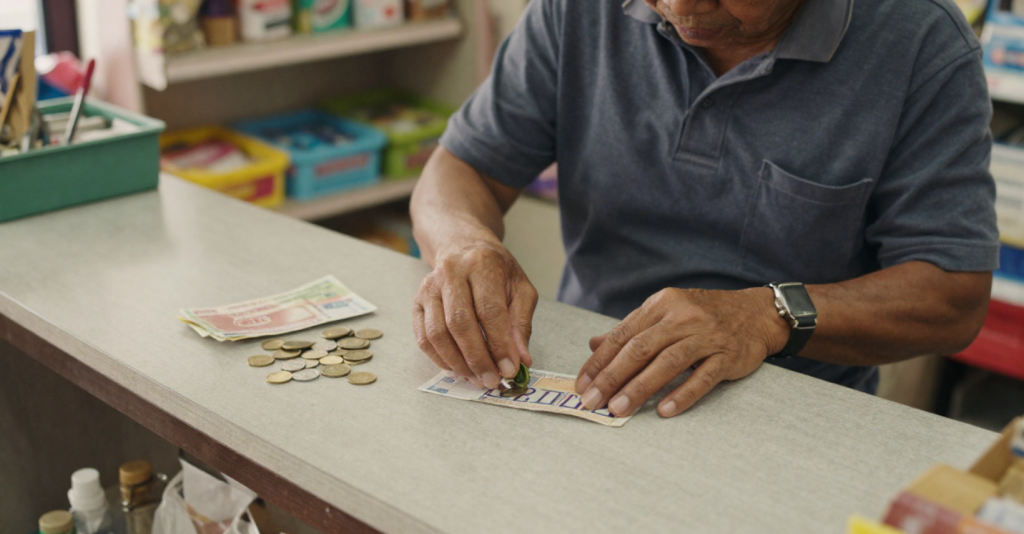
Part of what makes Swertres so accessible — and so sticky — is the low cost per bet. Ten to twenty pesos feels like nothing. But played twice daily, seven days a week, the cumulative spend adds up significantly over months and years.
Behavioral economics explains this through the concept of loss framing: lottery companies effectively sidestep loss aversion by framing the cost as entertainment rather than investment. You are not “losing” twenty pesos — you are “buying” a few days of possibility. This reframing means that people who would never hand over five hundred pesos for a single bet will comfortably spend that same amount over a month in daily Swertres tickets, without ever feeling the weight of accumulated loss.
7. Bahala Na: Fate, Faith, and Surrender
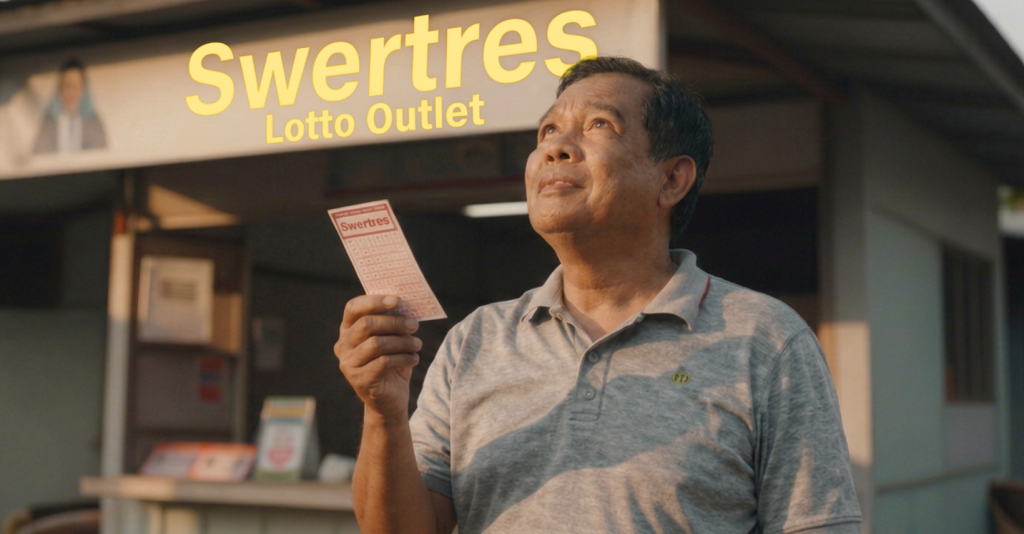
Perhaps the deepest psychological layer in Filipino lotto culture is the concept of “bahala na” — a uniquely Filipino term and value described in Sikolohiyang Pilipino (Filipino Psychology) as “determination in the face of uncertainty” (Enriquez, 1992).
Scholars note that bahala na traces its roots to the pre-colonial word Bathala, the supreme deity in ancient Filipino mythology, and has evolved into a cultural expression of faith in divine providence (TaasNooPilipino, 2025). While some critics interpret it as passive fatalism, research by Menguito and Teng-Calleja (Ateneo de Manila University) argues that bahala na actually finds its roots in the spiritual core of the Filipino value system — representing hope, self-efficacy, optimism, and courage rather than mere resignation. A more recent study published in BMC Psychology (2025) similarly found that Filipino disaster survivors reinterpreted bahala na not as fatalistic resignation, but as faithful optimism — a spiritual and cultural adaptive mechanism.
For many Filipinos, playing Swertres is an act of bahala na faith. You do your part — you pick your number, you place your bet, you say your prayer — and then you surrender the rest to God or the universe. In a country where so much hardship is endured through faith and resilience, this attitude makes the lottery feel less like reckless gambling and more like participation in destiny.
8. The Winner Effect: Stories That Spread
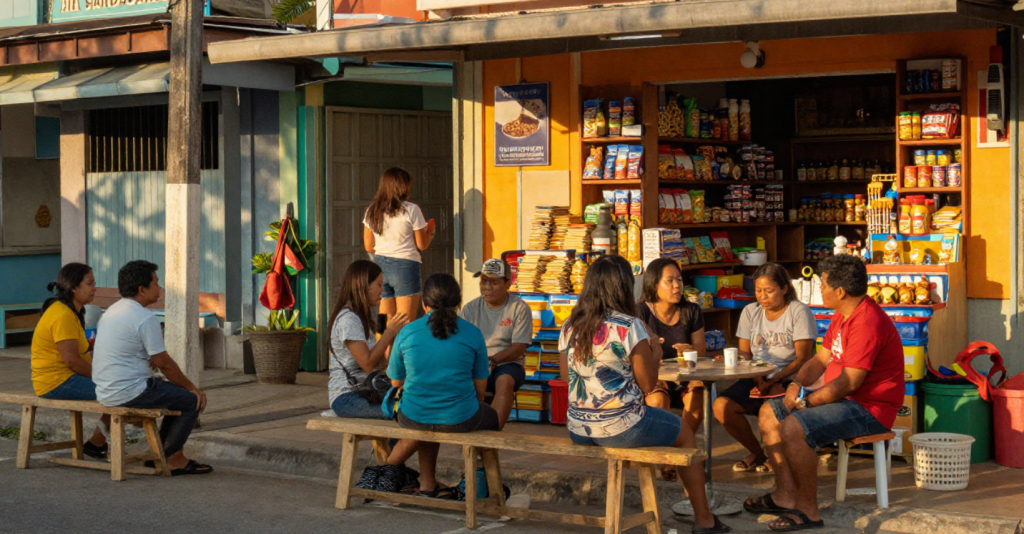
Every community has at least one story. The neighbor who won fifty thousand pesos on a combination she dreamed about. The tricycle driver who hit the jackpot on his deceased wife’s birthday. The market vendor who won three times in a single month.
These stories circulate and grow. They are remembered far longer than the quiet, daily reality of losing. This is the availability heuristic — the human tendency to judge the likelihood of an event based on how easily examples come to mind — first identified by Tversky and Kahneman (1973) in their landmark work on heuristics and biases. Kahneman later summarized the effect in Thinking, Fast and Slow: people assess the probability of events by the ease with which relevant instances are retrieved from memory.
Research on lottery markets confirms this directly: when a compatriot wins a jackpot, residents of the same area increase their willingness to gamble in subsequent draws — because the win makes the probability of winning feel more salient and real (Boto-García, 2026). Lottery companies exploit the same mechanism by heavily publicizing winners, ensuring that vivid, emotionally resonant stories of victory stay top of mind (Gearon, 2018). The losses are invisible. The wins are legendary.
Conclusion
None of this is unique to the Philippines — lotteries have captured the human imagination across cultures, continents, and centuries. But in the Filipino context, Swertres resonates at a frequency that goes far deeper than a simple numbers game. It plugs directly into the values that define Filipino life: the fierce love of family, the unshakeable faith in something greater than oneself, the warmth of community, and the distinctly Filipino gift of finding lightness and laughter even in the hardest of times.
There is something quietly beautiful about a culture that turns a ten-peso bet into a daily ritual of hope. In a country that has weathered typhoons, economic hardship, and generations of struggle, the Filipino capacity to dream — to look at a blank betting slip and see possibility — is not naivety. It is resilience wearing a different face.
Swertres is, at its heart, optimism. Every ticket purchased is a small, defiant act of belief: that today could be different, that luck exists and visits ordinary people, that the universe sometimes smiles on the humble and the hopeful. That spirit — sana manalo — is the same spirit that fills bayanihan tables, rebuilds homes after storms, and keeps families together across oceans and time zones.
Like any form of entertainment, moderation matters. While most players enjoy Swertres as a lighthearted daily habit, it is worth remembering that recreational play and compulsive gambling can sometimes lose — and that distinction is worth keeping in mind.
But to label Swertres as mere ignorance or irrationality is to misunderstand it entirely. It is a window into how Filipinos process hope, bond with each other, honor the dead, and make peace with uncertainty.
The numbers change every day. The reasons people play them do not.

