When we talk about Dr. José Rizal, we usually remember him as a national hero, a brilliant writer, a reformist, and the author of Noli Me Tangere and El Filibusterismo. But every now and then, a curious question pops up:
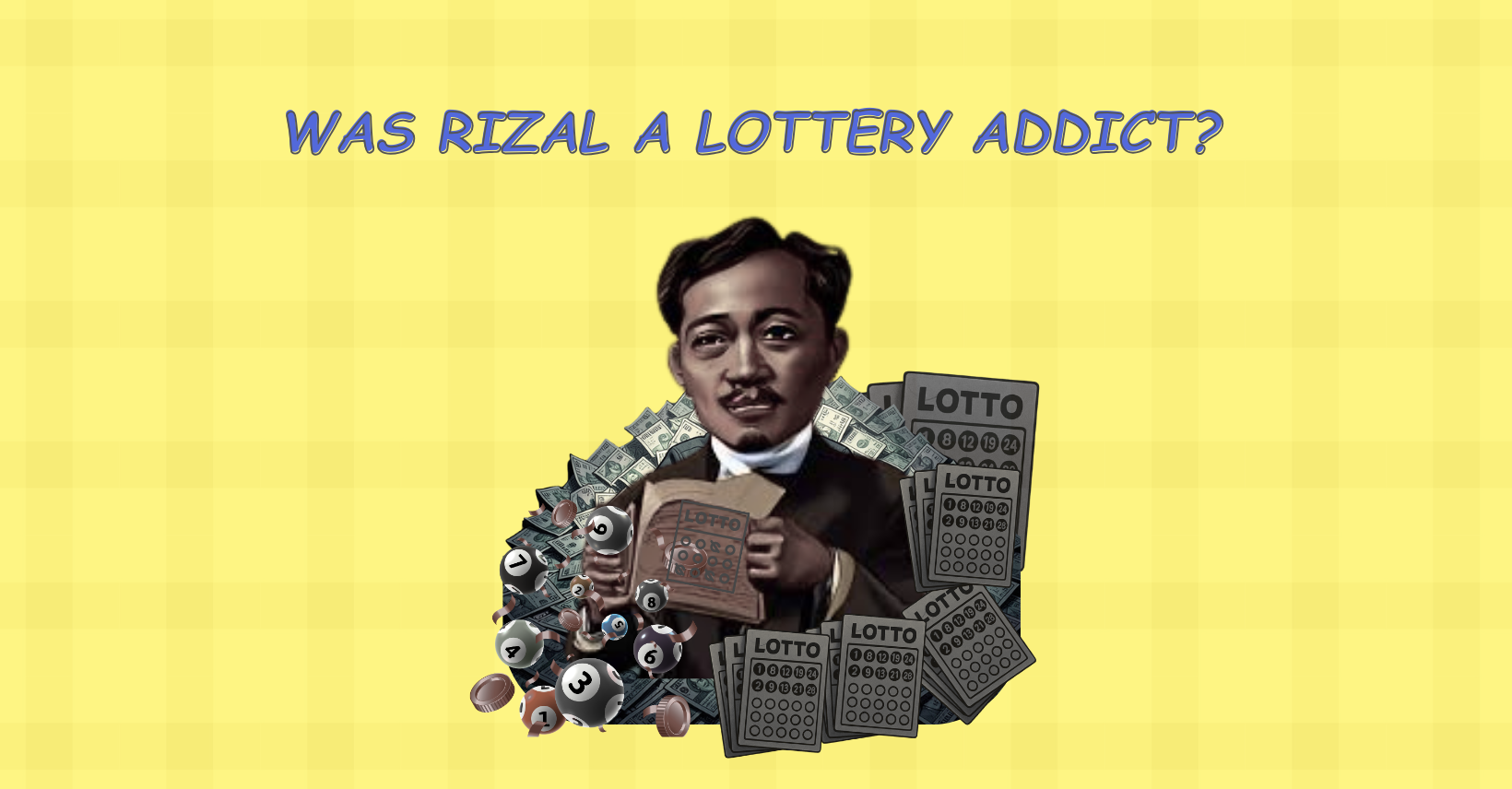
“Was Rizal a lottery addict?”
Here’s the honest answer: historical accounts show Rizal joined a lottery ticket purchase with companions while in Dapitan and won, but there is no credible evidence he had a gambling addiction. So instead of focusing on rumors, let’s look at what actually happened and what we can learn from it today.
Who was José Rizal?
José Rizal was born on June 19, 1861, in Calamba, Laguna. He was a doctor (ophthalmologist), novelist, linguist, and reform advocate. His writings exposed Spanish colonial abuses and inspired the Filipino reform movement and, later, the revolution.
What people sometimes forget is that Rizal wasn’t only “matalino.” He was also disciplined, careful with decisions, and very intentional about the things he supported. That context matters because a lottery win can sound like “bisyo” today, but one-time participation doesn’t automatically mean addiction.
The truth: Rizal won the lottery
Here’s the real story. In 1892, while Rizal was exiled in Dapitan, he and a few companions pooled money and bought a lottery ticket. That ticket won second prize in a government lottery draw.
Yes — Rizal won the lottery. But the bigger question is: what did he do after? This is where the “addict” label doesn’t make sense. Addiction is a pattern. Historical accounts do not show Rizal repeatedly buying tickets, chasing wins, or losing control. Instead, the accounts highlight something else: he treated the money like an opportunity to build.
What Rizal did with the prize money
Historical accounts describe Rizal using his share in productive, community-minded ways. Instead of treating the win as a reason to gamble more or show off, he used it to strengthen his life in Dapitan and support people around him.
He purchased land in Dapitan, helped his family financially, supported educational and community projects, and invested in agriculture and local development. In simple terms, he used the money like a responsible adult — not like someone who was “hooked” on betting.
That’s why, when people say “Rizal was a lottery addict,” the evidence doesn’t support it. The story points to discipline, not dependence.
What is lottery addiction, really?
Before calling anyone an “addict,” we need to define the term properly. Lottery addiction (often grouped under gambling disorder) isn’t about joining once, or buying occasionally for fun. The issue is loss of control — when gambling starts to damage your finances, mental health, relationships, and daily responsibilities.
People struggling with lottery addiction often show patterns like compulsive or uncontrollable betting, spending beyond their means, chasing losses to “recover,” neglecting responsibilities and relationships, and feeling emotional distress that pushes them to bet again. If those patterns are absent, the label doesn’t fit.
In Rizal’s case, there’s no credible historical evidence of repeated betting or destructive behavior. The story we have is straightforward: he joined a ticket purchase with companions, won, and used the money wisely.
Why do people think Rizal was a gambling addict?
Sometimes, modern narratives exaggerate small details. When people hear “Rizal won the lottery,” it can easily be twisted into “Rizal was into gambling.” That’s a common problem with storytelling: a real event becomes sensational once it’s passed around without context.
But if you look at Rizal’s documented traits — intellectual discipline, careful planning, and community-focused goals — they don’t align with addiction. He was the kind of person who thought long-term. That’s why the “lottery addict” claim feels more like a catchy rumor than a fact-based conclusion.
Gambling in the Philippines: then and now
Lotteries have existed in Philippine history for a long time. During the Spanish period, government-run lotteries were common. Today, many Filipinos are familiar with lottery games — including Swertres — as part of everyday “pang-aliw” culture.
Modern PCSO games include Lotto 6/42, 6/49, 6/55, 6/58, 3D Lotto, and 2D Lotto. For many, buying a ticket is occasional entertainment. The problem starts when someone loses control and begins betting daily while hoping it will “solve” financial problems.
Quick resources about Swertres (for readers who want details)
If you want to understand the 3-digit game better — how it works, how it’s related to 3D Lotto, and the common myths around it — these guides explain it in a practical way:
Swertres basics and overview, Swertres vs 3D Lotto explained, Swertres myths about “best day to buy,” and a realistic take on Swertres strategy.
Rizal’s financial mindset: a lesson for us
Instead of asking whether Rizal was a lottery addict, a better question might be: What can we learn from how he handled unexpected money?
Rizal didn’t treat the win as a reason to gamble more. He treated it as an opportunity to build — land, education, and community support. In Filipino terms, hindi siya “nasilaw,” at hindi siya nagpadala sa hype. He used the money to create something useful, and that’s the mindset worth copying.
If you play the lottery today, read this
Let’s bring this closer to home. If you’re someone who buys tickets occasionally, you don’t need to feel guilty. The important part is how you manage your behavior, budget, and expectations. Here are three reminders that keep lottery fun — without letting it become a problem.
1) Treat it as entertainment
Think of it like watching a movie or buying milk tea. Decide a budget you can afford to lose, and stick to it. If you notice yourself increasing bets because you feel “malapit na ’to,” pause and reset. That “pressure” mindset is where many people start slipping.
2) Don’t depend on it as income
Lottery is based on chance. It’s not a business strategy. If your plan is “manalo para maka-ahon,” it can lead to disappointment and risky habits. Real stability usually comes from building skills, improving income streams, saving consistently, and investing long-term.
3) If you win, use it wisely
If you win — even a small amount — use it like a boost, not a trigger to bet more. You can put part into an emergency fund, pay off a small debt, start a small investment, or fund something that improves your life. This is where Rizal’s story becomes practical: winning isn’t the point — what you do next is.
Claiming prizes and playing safely
For readers who want practical guidance without hype, these resources explain responsible tips and the claiming process:
You can read Swertres tips and discipline reminders, learn how claiming works via Swertres, check the legal side of online play in Swertres, see what to prepare using Swertres, and avoid common regret by reading Swertres.
Realistic expectations about the lottery
Let’s be honest: the odds of winning big jackpots are extremely low. Millions of people buy tickets, but only a few win large prizes. That doesn’t mean you can’t play — it just means you should play responsibly and keep your expectations realistic.
Financial growth usually comes from skills, discipline, business, investments, and long-term planning — not pure luck. So if you play, keep it light. If you don’t play, that’s also fine. What matters is you’re making decisions that keep your finances stable.
Final verdict: Was Rizal a lottery addict?
No. There is no credible historical evidence that José Rizal was addicted to gambling or lotteries. He participated once with companions, won, and invested wisely.
That’s not addiction — that’s opportunity meeting preparation. If you want a focused story about the win itself, you can check this: Swertres.
Luck may open a door, but character determines what you do next. Play responsibly, keep your budget tight, and remember — knowledge and discipline still beat “pure chance” in the long run.
Disclaimer
This content is provided for informational purposes only. It is not connected to PCSO or any official lotto agency. Lottery results are determined by random draw, and no tip or “strategy” can guarantee a win.
Gambling involves financial risk. Please play responsibly and never bet more than you can afford to lose. If you or someone you know is struggling with gambling, seek help or talk to someone you trust.